
Breathe Better. Sleep Deeper. Smile Healthier.
Welcome to MYO2 Functional Therapy, providing personalized orofacial myofunctional therapy in Boca Raton, Florida, and throughout South Florida. We help children and adults improve the function of the muscles used for breathing, swallowing, chewing, and oral rest posture to support better airway function, sleep, and overall oral health.Every patient receives an individualized evaluation and therapy plan based on their unique oral and facial patterns. For children, therapy can help support healthy oral and facial development, while adults may benefit from addressing long-standing patterns that can contribute to mouth breathing, tongue dysfunction, sleep-related concerns, and other orofacial muscle imbalances.To make care accessible and convenient, MYO2 Functional Therapy offers both in-person and virtual telehealth sessions for patients throughout Boca Raton and the surrounding South Florida community.
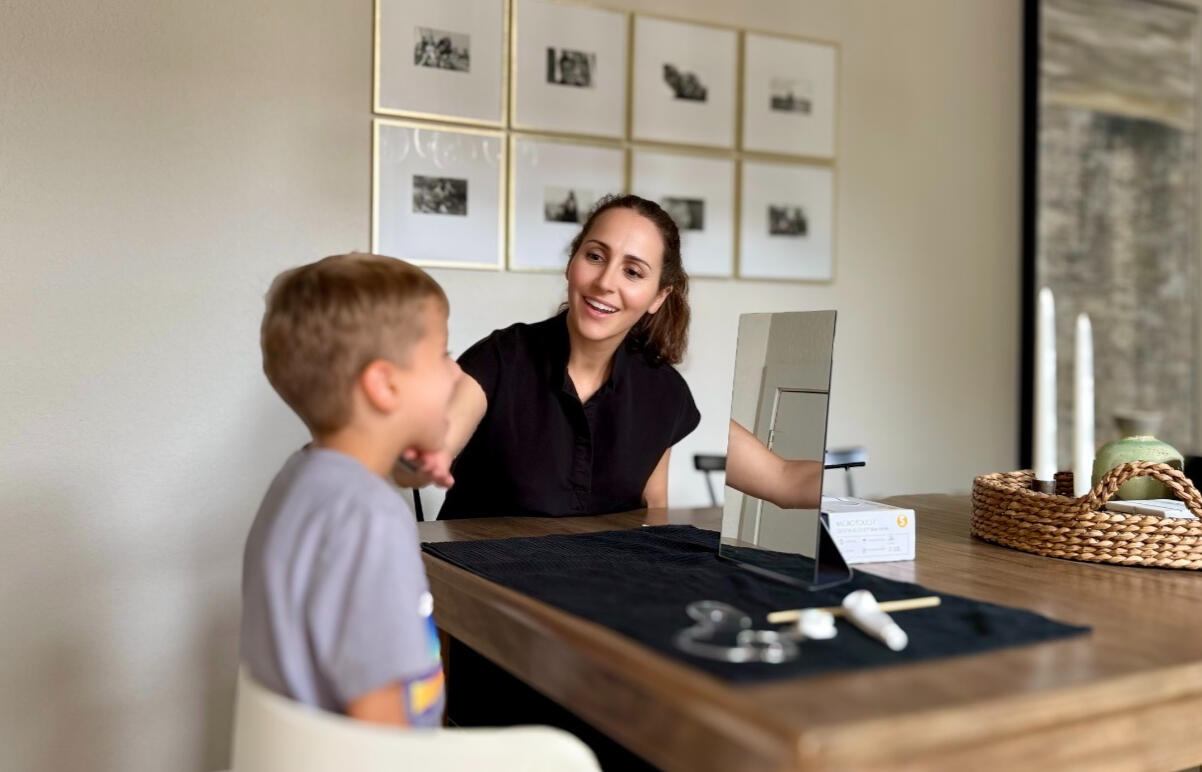
What is Orofacial Myofunctional Therapy?

Orofacial myofunctional therapy (OMT) is a specialized form of therapy that focuses on the muscles and functions of the mouth, face, and jaw. These muscles play an important role in everyday functions such as breathing, chewing, swallowing, speaking, and maintaining proper tongue and jaw posture. When these functions are not working efficiently, they can affect more than just the mouth.OMT uses individualized exercises and functional retraining to help improve muscle coordination, strength, endurance, and patterns of movement. Rather than focusing on one isolated symptom or finding, therapy looks at how the different parts of the orofacial system work together.Orofacial myofunctional therapy may be appropriate for children, teens, and adults and can be used as part of a collaborative approach alongside dental, orthodontic, medical, speech, and other healthcare providers when appropriate.The goal of an OMT evaluation is to understand how someone is functioning, why certain patterns may be present, and how those patterns may be affecting the individual as a whole.
Is Myofunctional Therapy Right for You or Your Child?
Meet Your Therapist
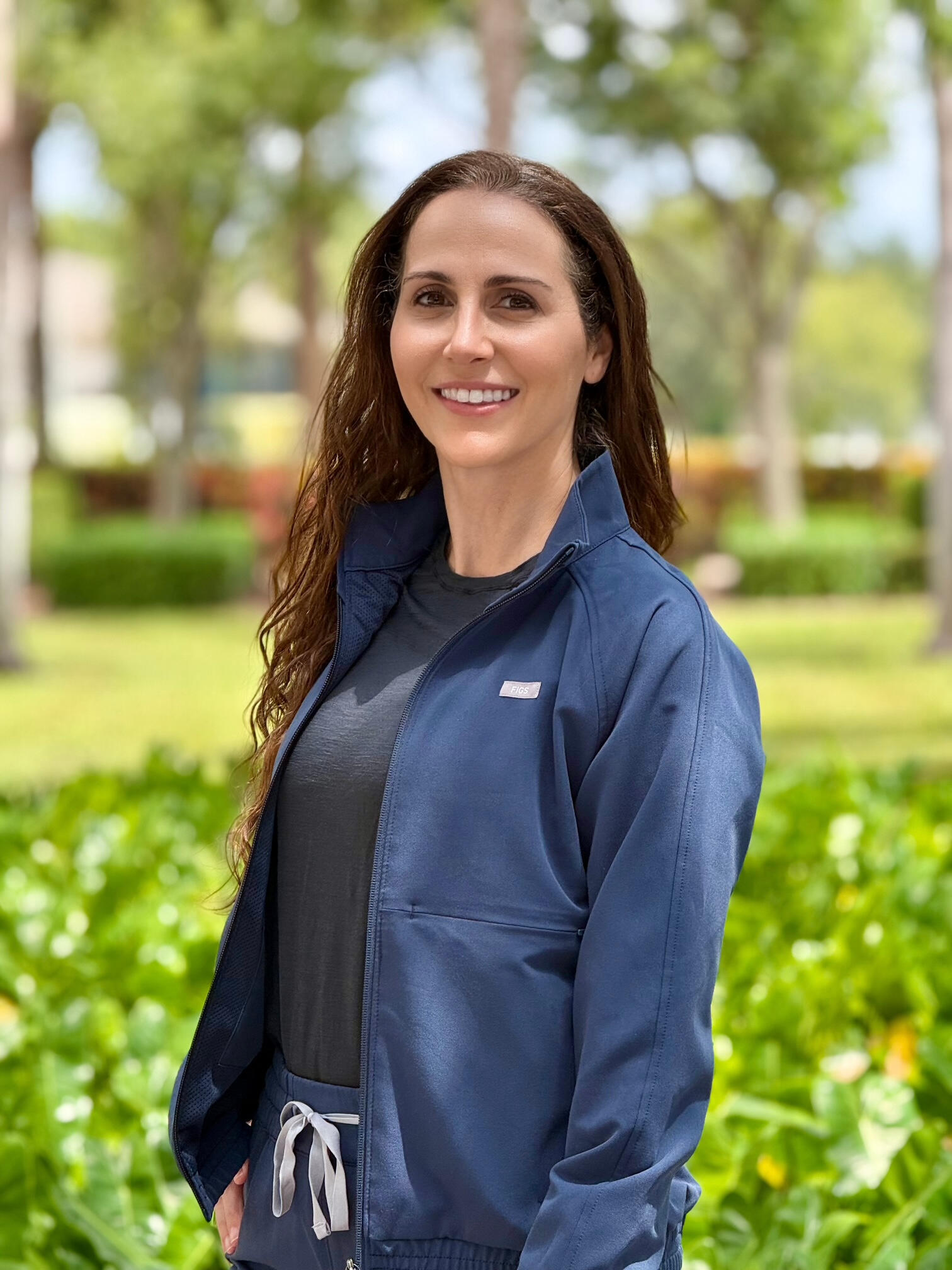
I’m Nancy Groeniger, a dental hygienist and orofacial myofunctional therapist with a passion for helping people understand the connection between oral function, breathing, sleep, and overall well-being.I’ve been practicing dental hygiene since 2010, and throughout my career I’ve been drawn to looking beyond what is immediately visible. Oral health is about more than healthy teeth and gums. The way we breathe, rest our tongue, use our lips and facial muscles, and function throughout the day can all play an important role in our health and quality of life.My path into orofacial myofunctional therapy began in 2020, when my youngest child was born with a tongue-tie. Despite having a background in dentistry, I quickly realized how difficult it could be to navigate care and understand how all the pieces fit together. I started researching, asking questions, and pursuing continuing education so I could better understand what was happening—not only with tongue mobility, but with function as a whole. That experience changed the direction of my career.As I continued my education, I became increasingly interested in the relationships between oral function, breathing, sleep, facial growth, and the muscles we use every day. I also discovered how often a visible finding can be only one piece of a much larger picture.Today, my goal is to bring that same curiosity and thoughtful approach to every person I work with. I don’t believe in simply identifying a finding and stopping there. I want to understand why it is happening, how the systems are connected, and what we can do to improve function.Whether I’m working with a child, an adult, or collaborating with other healthcare professionals, I believe the best care starts with listening, looking at the whole picture, and creating an individualized approach based on the person in front of me.For me, myofunctional therapy is more than exercises. It’s about helping people understand their bodies, improve function, and make meaningful changes that support their health and well-being.
Website Accessibility Notice
Myo2 Functional Therapy is committed to making our website accessible and easy to use for everyone, including individuals with disabilities. We strive to follow the Web Content Accessibility Guidelines (WCAG) 2.1 Level AA and to provide an accessible experience across devices and assistive technologies.We recognize that accessibility is an ongoing effort, and we are continually working to improve the usability and accessibility of our website.If you experience difficulty accessing any part of our website or need information in an alternative format, please contact us at [email protected]. We will make reasonable efforts to provide the information or assistance you need.